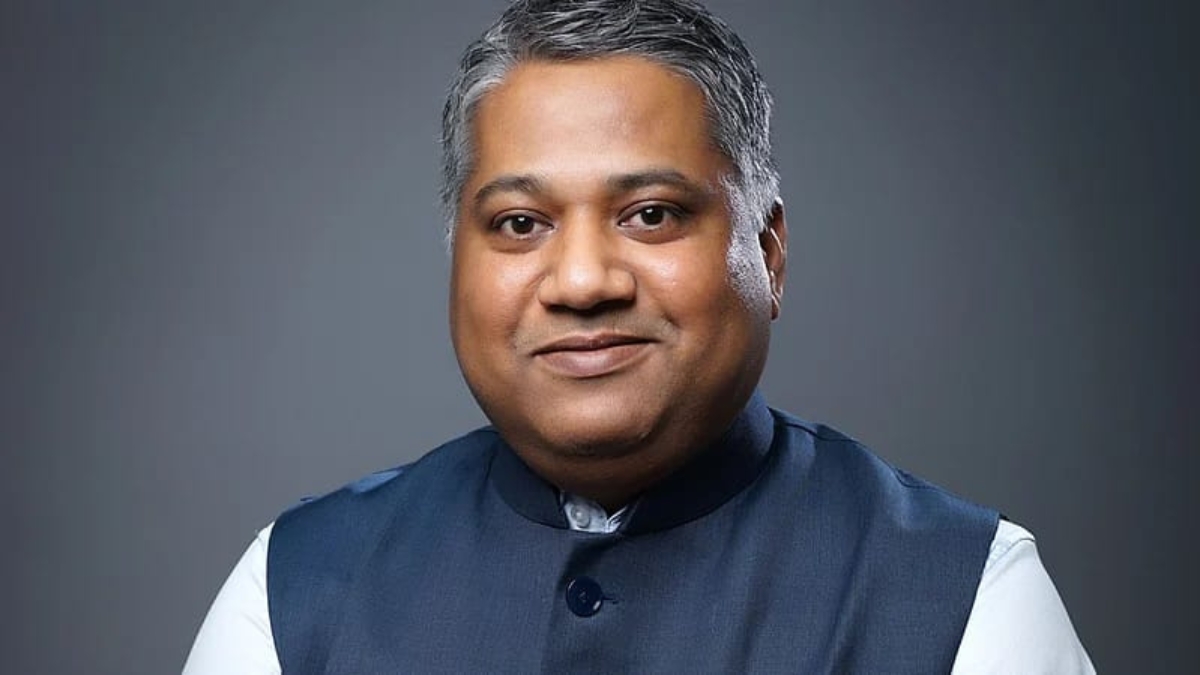
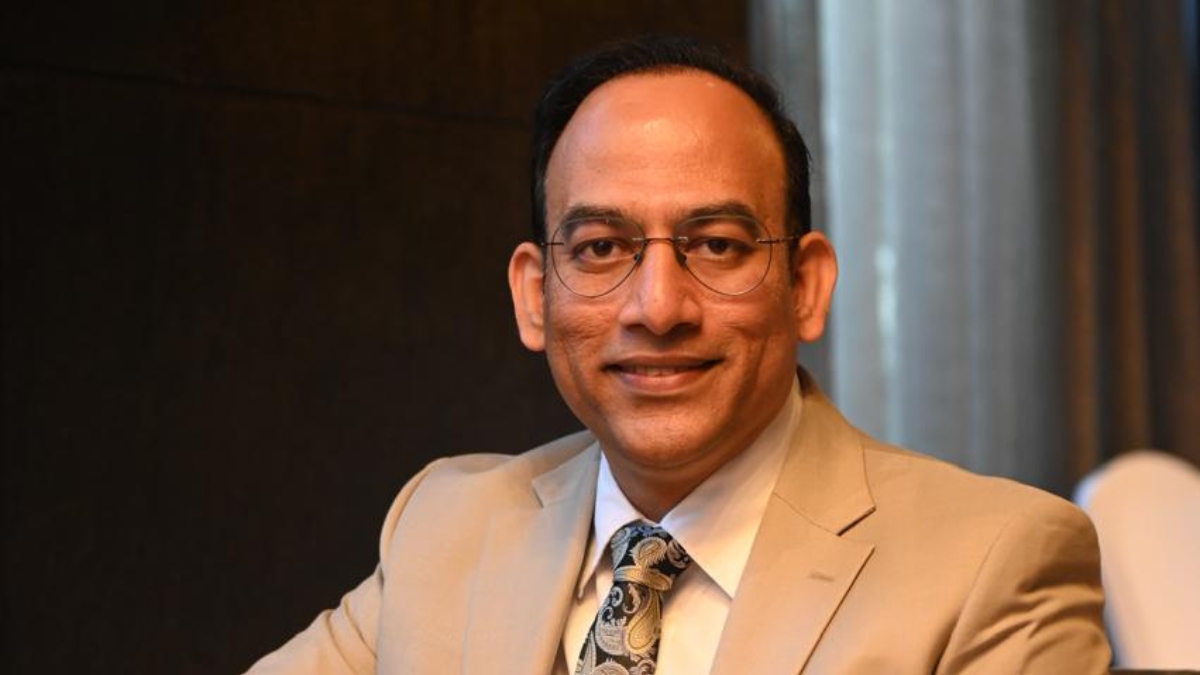
Interview: Abhishek Wadekar, Founder Chairman of Tradelink International
Q. How is Tradelink contributing to the global fertilizer trade amid evolving tariffs and geopolitical challenges?
A. In a landscape increasingly shaped by tariffs, sanctions, and geopolitical uncertainties, Tradelink is playing a stabilizing role by building a diversified and resilient sourcing ecosystem. The company actively sources from multiple regions, including the Middle East, North Africa, and Asia, reducing overdependence on any single market. By maintaining strong, long-term relationships with global producers and leveraging market intelligence, Tradelink is able to swiftly adapt to disruptions and reroute supplies efficiently. This ensures uninterrupted availability for key deficit markets like India while optimizing trade flows and managing cost volatility.
Q. What impact could the ongoing Hormuz conflict have on India’s fertilizer supply chain, particularly in the case of sulfur?
A. The Strait of Hormuz is a critical chokepoint for global energy and commodity trade, including sulfur, a key raw material for phosphatic fertilizers. Any disruption in this region can lead to delays in shipments, increased freight and insurance costs, and supply shortages. For India, which relies heavily on imports of sulfur from the Middle East, such instability can tighten availability and push up input costs for fertilizer manufacturers. This, in turn, may impact production economics and pricing unless mitigated through strategic sourcing diversification and inventory planning.
Q. The 2026–27 budget allocates Rs 1.168 trillion for urea subsidies to ensure supply stability despite global price volatility. How is this expected to support the growth of the fertilizer industry?
A. The substantial allocation towards urea subsidies underscores the government’s commitment to ensuring affordability and availability for farmers while shielding the industry from global price shocks. By absorbing cost volatility, the subsidy framework provides financial stability to manufacturers and importers, enabling them to maintain consistent production and supply levels. This also supports demand continuity in the agricultural sector, which is crucial for industry growth. Over time, such policy support can encourage capacity utilization, investments in efficiency, and a more predictable operating environment for fertilizer companies.
Q. How is the easing of Chinese export restrictions on nitrogen and phosphate fertilizers since late 2025 expected to stabilize global supply in 2026?
A. China is one of the largest producers and exporters of key fertilizers, particularly nitrogen and phosphates. The easing of its export restrictions since late 2025 is expected to significantly improve global availability in 2026. Increased Chinese exports can help bridge supply gaps created by earlier disruptions and geopolitical tensions, thereby easing price pressures in international markets. This normalization of supply is likely to benefit importing countries like India by enhancing access to critical nutrients at more competitive prices, contributing to overall market stability and improved supply chain resilience.
Q. How is this expected to support the growth of the fertilizer industry?
A. From Tradelink International’s perspective, the Rs 1.168 trillion allocation towards urea subsidies in the 2026–27 budget is a significant step in reinforcing the stability and growth of the fertilizer industry. By ensuring that urea remains affordable for farmers despite global price volatility, the subsidy framework helps sustain consistent demand across seasons.
For companies like Tradelink International, this translates into greater demand visibility and a more predictable operating environment. It enables better planning across sourcing, logistics, and supply chain operations, while also reducing uncertainties linked to global market fluctuations. Additionally, improved subsidy disbursement supports healthier cash flows across the value chain, benefiting both importers and domestic players.
Over the long term, such strong policy support not only safeguards farmer interests but also strengthens industry confidence, encouraging efficiency, resilience, and continued participation in meeting India’s growing agricultural needs.
Kissht IPO Sachin Tendulkar investment: Cricketer stares at loss