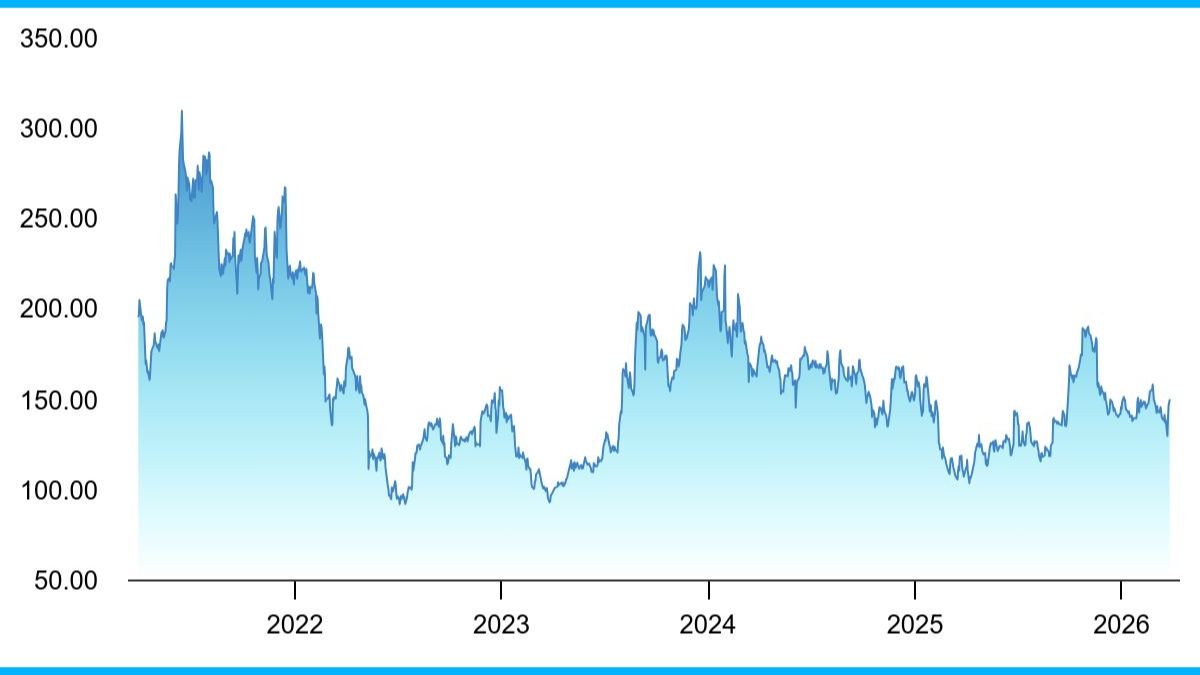

FII Selling Reason in India: There seems to be no end to FII selling in India. According to NSDL data, FIIs have sold shares worth Rs 1.14 lakh crore in India so far in the month of March 2026.
FII selling in March marks the worst monthly outflow, data showed. The previous FII selling record was in October 2024 when FIIs sold shares worth Rs 94,017 crore.
As per data, FIIs have sold shares worth Rs 1.27 lakh crore in 2026 so far.
FII Selling Reasons
1. FIIs are selling in India due to the rising Middle East tensions.
2. Weak rupee is another factor which is forcing foreign investors to sell in India.
3. Rising crude oil prices due to the Middle East war are also prompting FIIs to sell shares in India.
4. Fears of declining corporate earnings due to geopolitical uncertainties also contribute to FII selling.
5. Elevated US bond yields and tightening global liquidity is also driving FII selling.
FII Selling Reason
FII selling in March has come after a month when foreign investors bought shares worth Rs 22,615 crore. This was the highest inflow in the last 17 months.
VK Vijayakumar, Chief Investment Strategist at Geojit Investments, said weak global markets due to the Middle East war, fall in rupee value versus the US dollar, are among the key reasons behind FII selling in India.
“FII selling has been driven by a combination of factors. This included elevated US bond yields and tightening global liquidity. This has made the fixed income market attractive,” said Himanshu Srivastava, Principal - Manager Research at Morningstar Investment Research India.
FII Selling Reason: Nifty Prediction
Nifty on Friday (March 27) closed at 22,819.60, down 2.09 per cent. Nifty has declined by 2,359.05 points, falling 9.37 per cent from 25,178.65 to 22,819.60 between 27 February and 27 March.
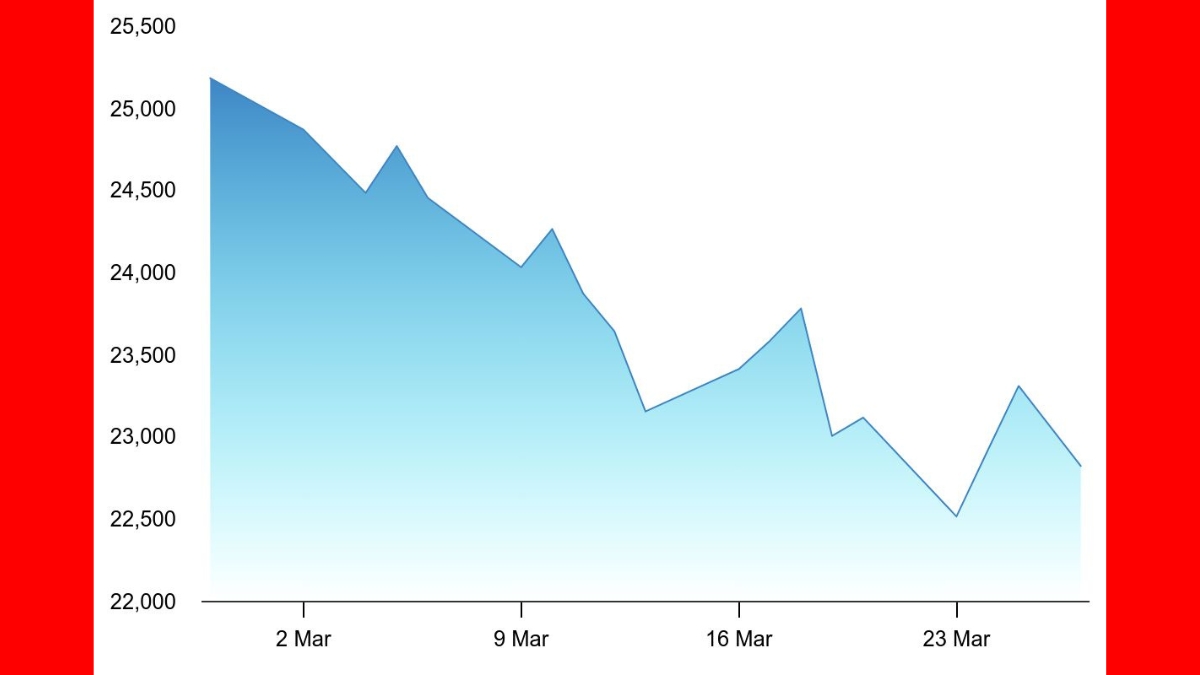
Om Mehra, Technical Research Analyst, SAMCO Securities, said that Nifty has formed a bearish candle in the daily chart. The benchmark index trades within a downward-sloping channel.
Nifty RSI is placed near 35, indicating weak momentum.
Going ahead, the 23,200–23,300 zone is likely to act as an immediate resistance area. On the downside, the 22,600–22,500 zone remains a key support area.