Authored by: Jateen Trivedi, VP Research Analyst - Commodity and Currency, LKP Securities
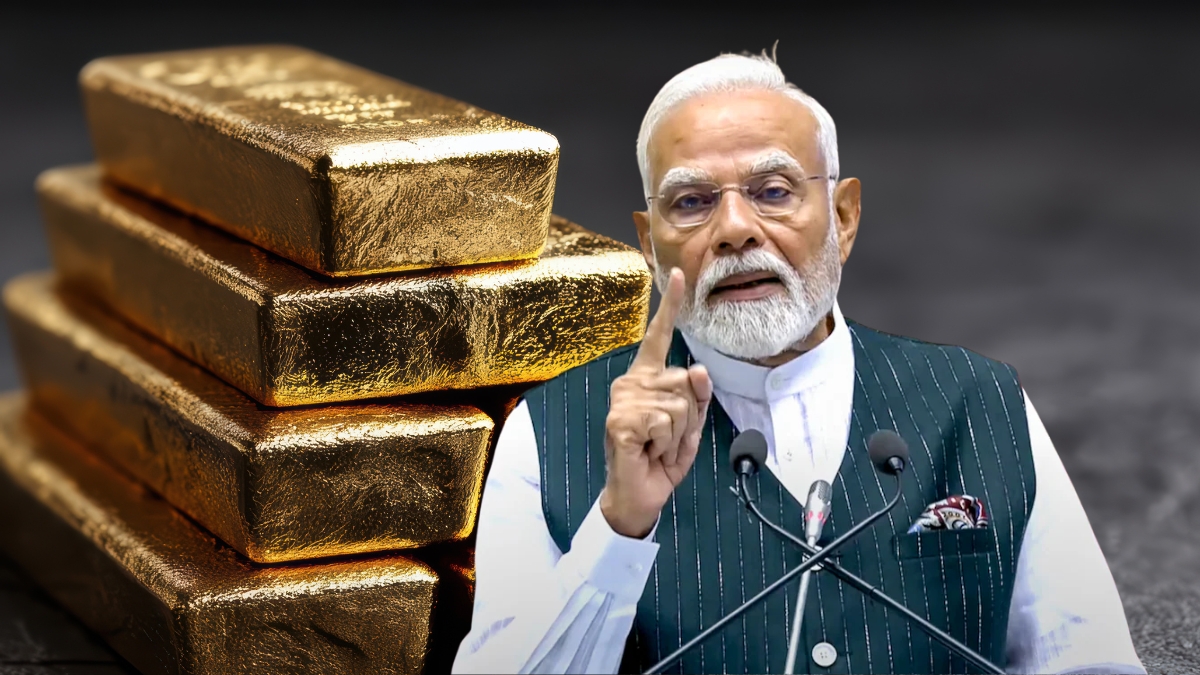
Prime Minister Narendra Modi’s remarks on delaying gold purchases should be viewed primarily from the perspective of India’s macroeconomic stability and import management. India is one of the world’s largest gold importers, and during periods of elevated crude oil prices and global uncertainty, high yellow metal imports put additional pressure on the country’s trade deficit and the rupee.
The timing of the statement is important because India is currently facing a combination of higher crude prices, geopolitical tensions linked to the US–Iran situation, and pressure on the currency due to rising import bills.
Gold imports require large outflows of foreign currency, mainly dollars, and at a time when policymakers are trying to stabilize the rupee and control external sector risks, discouraging non-essential imports becomes an important strategy.
The appeal is unlikely to significantly change long-term Indian demand for gold because the yellow metal remains deeply linked to savings, investment, and cultural buying patterns. However, in the short term, it may slow discretionary purchases, particularly in jewellery demand, and create cautious sentiment across bullion and jewellery-related businesses.
From a price perspective, the precious metal continues to remain highly sensitive to global macro developments. A strong rally in gold can emerge if geopolitical tensions escalate again, crude prices remain elevated, central banks move towards rate cuts, or the dollar weakens sharply. On the other hand, gold can witness meaningful corrections if the US Fed maintains a higher-for-longer interest rate stance, geopolitical tensions ease sustainably, crude prices cool down, and ETF or institutional flows weaken.
Overall, the government’s message appears more focused on encouraging temporary restraint in imports and preserving macro stability rather than indicating any structural negative stance towards yellow metal ownership itself.